Introduction to Fatty Liver Disease and Its Early Signs
Ever felt unusually tired or noticed a dull ache in your upper abdomen? Our bodies often send subtle signals when something is off. One such condition is fatty liver disease, which silently affects millions worldwide.
Your liver is like the engine of a car. It powers almost everything in your body, from energy production to detoxification. When excess fat accumulates, it hampers liver function, affecting your overall health. Understanding the symptoms of fatty liver early can prevent serious complications and help maintain optimal liver health.
This article dives deep into fatty liver disease symptoms, risk factors, and practical ways to support your liver.
What is Fatty Liver Disease?
Your liver is the body’s detox powerhouse. It metabolizes nutrients, stores energy, and removes toxins. Ignoring early fatty liver disease symptoms is like ignoring a slowly leaking engine—it might run for a while, but eventually, breakdown is inevitable.
Maintaining liver health ensures your metabolism, digestion, and overall energy remain optimal. A well-functioning liver also plays a crucial role in regulating hormones and supporting your immune system.
Why Liver Health Matters
Your liver is the body’s detox powerhouse. It metabolizes nutrients, stores energy, and removes toxins. Ignoring early fatty liver disease symptoms is like ignoring a slowly leaking engine—it might run for a while, but eventually, breakdown is inevitable.
Maintaining liver health ensures your metabolism, digestion, and overall energy remain optimal. A well-functioning liver also plays a crucial role in regulating hormones and supporting your immune system.
Early Signs of Fatty Liver Disease
Fatty liver disease is often called a silent disease because initial symptoms can be subtle or easily attributed to fatigue or stress. However, noticing small changes in your body can help you act early and prevent progression.
Fatigue and Weakness
One of the earliest and most common fatty liver symptoms is persistent fatigue and general weakness. When your liver is overwhelmed with fat, it struggles to process energy efficiently.
Many people notice that routine tasks, like climbing stairs, completing household chores, or even focusing at work, become exhausting. This fatigue isn’t just about feeling sleepy; it’s a physical drain that persists despite adequate sleep.
Additionally, weakness in muscles can occur because the liver isn’t metabolizing nutrients effectively. Over time, this can subtly affect your endurance and mobility.
Unexplained Weight Loss or Gain
Changes in weight, particularly when unintentional, can indicate liver issues. Unexplained weight gain around the abdomen is often linked to fat accumulation in the liver and insulin resistance. Conversely, unexplained weight loss may occur in advanced stages due to reduced nutrient absorption and systemic inflammation.
The impact of these changes is more than cosmetic—they signal metabolic imbalance and stress on liver function. Tracking your weight trends along with other symptoms can be an important step in early detection.
Upper Abdominal Pain and Discomfort
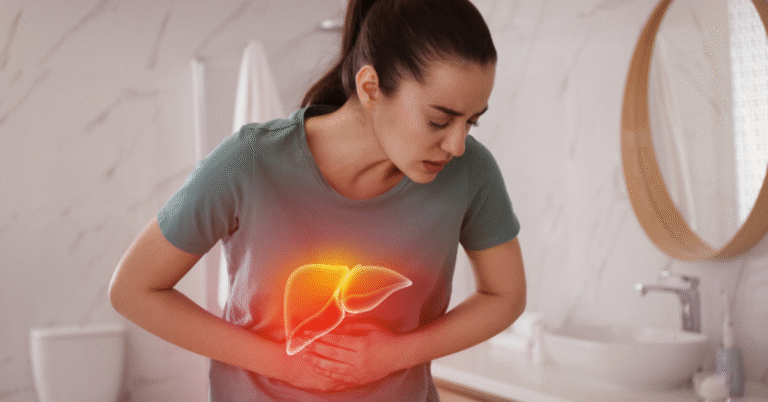
A dull ache or heaviness in the upper right abdomen is a frequent sign of fatty liver disease. This discomfort arises as the liver enlarges due to fat accumulation, exerting pressure on surrounding organs.
Unlike acute pain, this sensation is often subtle but persistent. Some patients describe it as a constant fullness, pressure, or mild cramping, which may worsen after eating heavy or fatty meals.
Nausea and Vomiting
Digestive disturbances such as nausea and vomiting can accompany fatty liver disease. Fat accumulation disrupts bile production, which is essential for fat digestion. This can lead to feelings of queasiness, reduced appetite, or even morning nausea.
Chronic nausea may make it difficult to maintain a balanced diet, further impacting liver health. It’s important to pay attention if these symptoms persist for more than a few weeks.
Bloating and Digestive Issues
Bloating, indigestion, and gas are often overlooked fatty liver symptoms. When the liver cannot efficiently process fats, digestion slows, causing discomfort and a feeling of fullness.
Some people notice that certain foods, especially fried or high-fat meals, trigger abdominal swelling or heaviness. Keeping a food diary can help identify patterns and allow you to make liver-friendly dietary choices.
Yellowing of Skin and Eyes (Jaundice)
Jaundice, the yellowing of the skin and eyes, is a serious sign of liver distress. It occurs when bilirubin, a by-product of red blood cell breakdown, accumulates due to impaired liver function.
While jaundice often appears in more advanced disease stages, early detection of subtle yellowing, particularly in the eyes, should prompt medical evaluation.
Swelling in Legs and Abdomen
When the liver struggles, fluid regulation is impaired, leading to swelling in the legs, ankles, and abdomen. This edema and ascites indicate more advanced liver involvement and require immediate medical attention.
Patients may notice tight shoes or rings, puffiness in the face, or a feeling of heaviness in the abdomen, often accompanied by bloating.
Dark Urine
Dark urine is another early indicator of liver dysfunction. It results from increased bilirubin levels and reduced liver processing. Unlike dehydration, persistent dark urine, especially when accompanied by other symptoms like fatigue or abdominal discomfort, should be discussed with a healthcare provider.
Itchy Skin and Spider Veins
Accumulated bile salts under the skin can cause persistent itching, while hormonal changes from liver dysfunction may produce spider veins. These subtle skin changes often go unnoticed but are meaningful indicators of underlying liver stress.
The itching can vary from mild to intense and may worsen at night, affecting sleep quality.
Skin Changes: Dark Patches and Insulin Resistance
Dark, velvety patches, known as acanthosis nigricans, often appear on the neck, armpits, or groin. This symptom is associated with insulin resistance, a common companion of fatty liver disease.
These patches suggest metabolic imbalance and increased risk for type 2 diabetes, highlighting the importance of lifestyle interventions.
Risk Factors That Aggravate Fatty Liver
While anyone can develop fatty liver disease, certain conditions significantly increase the risk and severity. Obesity, type 2 diabetes, high cholesterol, sedentary lifestyle, excessive alcohol consumption, and diets rich in sugar and processed foods are major contributors.
Addressing these risk factors early through lifestyle modification, weight management, and medical supervision can prevent disease progression.
When to See a Doctor
It’s essential to consult a healthcare provider if you experience persistent fatigue, abdominal discomfort, jaundice, swelling, or unexplained weight changes. Blood tests, liver function tests, and imaging studies like ultrasounds or MRI scans help assess liver health accurately.
Early intervention dramatically improves outcomes and prevents complications such as cirrhosis or liver failure.
Steps to Improve Liver Health
Even after diagnosis, fatty liver disease can often be managed or reversed. Adopting a liver-friendly diet, regular exercise, and weight management is crucial. Limiting sugar and alcohol intake, staying hydrated, and monitoring liver function can significantly reduce liver fat and inflammation.
Emphasizing fruits, vegetables, whole grains, lean proteins, and healthy fats while avoiding processed foods helps the liver recover and maintain optimal function. Regular medical checkups ensure early detection of changes and proper guidance.
Lifestyle Habits That Support Liver Function
Beyond diet and exercise, other habits impact liver health. Avoid smoking, maintain good sleep hygiene, and manage stress effectively. Medications should be taken cautiously, as some over-the-counter drugs can harm the liver when used long-term.
Incorporating gentle liver-supportive practices like yoga, meditation, or light physical activity can also enhance metabolic function and overall well-being.
Monitoring Your Liver Health
Keeping track of your liver health is essential. Annual blood tests for liver enzymes, routine imaging, and noting early symptoms like fatigue or digestive changes help in early intervention.
Tip: Creating a health journal to track symptoms, diet, and exercise can help both you and your doctor understand liver trends over time.
Conclusion
Fatty liver disease often develops silently, but early recognition of symptoms like fatigue, abdominal discomfort, digestive issues, jaundice, and skin changes is crucial. Maintaining liver health through diet, exercise, and regular checkups can prevent complications and support overall well-being.
Listening to your body’s subtle signals and adopting proactive lifestyle habits ensures your liver continues to function effectively, protecting your health for years to come.
FAQs
1. Can fatty liver disease be reversed?
Yes, particularly in early stages. Lifestyle modifications like diet, exercise, and weight management can reverse fatty liver.
2. What is the first symptom of fatty liver disease?
Fatigue and weakness are often the earliest noticeable fatty liver symptoms.
3. How do doctors diagnose fatty liver?
Diagnosis typically involves blood tests, liver function tests, ultrasound, MRI, or biopsy.