The Link Between Insulin Resistance and Fatty Liver Disease You Need to Know
Most people treat fatty liver disease and insulin resistance as two separate health issues. But what if I told you they’re two sides of the same coin? In fact, one silently fuels the other, and if left unchecked, they can progress into serious liver diseases like nonalcoholic fatty liver disease (NAFLD) or even liver failure. Let’s explore how these conditions are connected — and more importantly, how you can break the cycle.
Understanding Insulin Resistance and How It Affects Liver Function
Explains what insulin resistance is, how it develops, and the impact it has on liver health. It describes the metabolic changes that cause fat accumulation in the liver and the consequences of prolonged high insulin levels.
How Insulin Resistance Disrupts Normal Liver Health
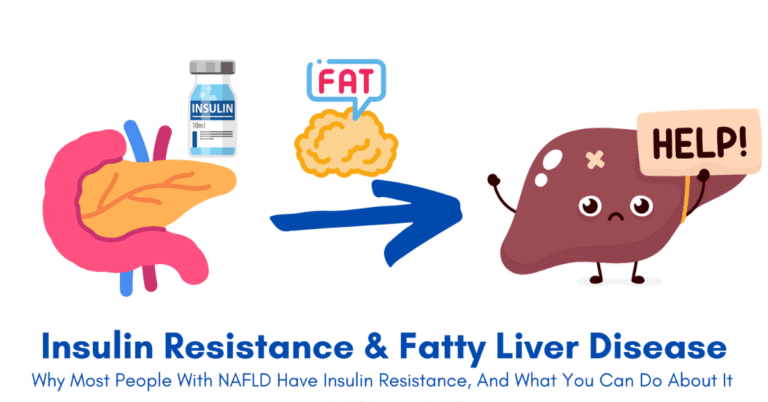
Insulin resistance occurs when cells no longer respond effectively to insulin, the hormone responsible for moving glucose from the bloodstream into cells. The pancreas compensates by producing more insulin, leading to high insulin levels in the blood. This excess insulin can trigger fat accumulation in the liver, contributing to nonalcoholic fatty liver disease (NAFLD). Over time, this disrupts liver health, affecting detoxification, metabolism, and hormone balance.
The Metabolic Consequences on the Body
When insulin cannot efficiently regulate blood sugar, triglycerides increase, and the liver starts storing extra fat. This can lead to a vicious cycle, where insulin resistance worsens liver fat, and the fatty liver further impairs insulin function. Left unchecked, this can progress to serious liver diseases and elevate the risk of type 2 diabetes, cardiovascular disease, and other metabolic complications.
What Happens Inside the Body During Fatty Liver Disease?
Provides an in-depth look at the biological changes when fat builds up in the liver. Discusses cellular stress, inflammation, and the silent progression from simple fatty liver to more serious liver diseases such as NASH.
Fat Accumulation and Liver Function Decline
Fatty liver disease occurs when more than 5–10% of the liver’s weight is made up of fat. Initially, this may not cause noticeable symptoms, but cellular stress and inflammation slowly compromise liver function. Over time, this can lead to liver fibrosis, nonalcoholic steatohepatitis (NASH), or even cirrhosis if left untreated.
The Silent Progression of Liver Diseases
Many people are surprised to learn that fatty liver disease can develop and progress without any noticeable pain or discomfort. Unlike other conditions that immediately signal distress through sharp symptoms, nonalcoholic fatty liver disease (NAFLD) often sneaks in quietly, making it difficult for individuals to realize something is wrong. Early stages of fatty liver typically do not affect daily activities, so people may feel perfectly healthy while the liver is gradually accumulating fat
How Insulin Resistance Leads to Nonalcoholic Fatty Liver Disease (NAFLD)
Explores the causal relationship between insulin resistance and NAFLD. Covers how high insulin levels trigger fat storage, increase oxidative stress, and initiate inflammatory pathways that harm liver function.
The Direct Impact of High Insulin Levels on the Liver
High insulin levels stimulate fat production in liver cells. This occurs because insulin encourages triglyceride synthesis, while simultaneously reducing the liver’s ability to break down fat. The result is fat accumulation in the liver, forming the basis of nonalcoholic fatty liver disease (NAFLD). Over time, this accumulation can interfere with the liver’s critical functions, including detoxification, hormone regulation, and nutrient metabolism.
Oxidative Stress and Inflammation Amplify Damage
Once fat builds up, the liver experiences oxidative stress — damage caused by harmful free radicals. This triggers inflammation, which worsens insulin resistance and further impairs liver health, creating a feedback loop that can be difficult to break without intervention. Chronic oxidative stress also damages liver cells at a molecular level, increasing the risk of fibrosis and nonalcoholic steatohepatitis (NASH).
Key Risk Factors That Harm Liver Health Over Time
Certain lifestyle and genetic factors increase the likelihood of developing insulin resistance and fatty liver disease:
Obesity and Visceral Fat as Major Drivers
Excess visceral fat, particularly around the abdomen, releases inflammatory substances that interfere with insulin signaling. This not only worsens insulin resistance but also contributes to fat accumulation in the liver, reducing its functional capacity. People with higher abdominal fat often experience a cluster of metabolic issues, including elevated cholesterol and high blood pressure, which can further strain the liver.
Sedentary Lifestyle and Lack of Muscle Activity
Inactive muscles fail to absorb glucose efficiently, leaving sugar in the bloodstream. This overloads insulin and directs more fat to the liver. Even moderate daily activity, such as walking after meals or performing simple bodyweight exercises, can dramatically improve insulin sensitivity and support liver health. Incorporating movement into daily routines — like taking the stairs, short walks, or desk stretches — not only helps regulate blood sugar but also reduces fat buildup in the liver over time.
Poor Dietary Choices and High Sugar Intake
Frequent consumption of refined carbs, sugary drinks, and processed foods is one of the fastest ways to promote nonalcoholic fatty liver disease. High sugar intake forces the liver to convert glucose into fat, gradually accumulating inside liver cells and increasing the risk of liver inflammation and metabolic syndrome.
Early Symptoms That Reveal Hidden Liver Diseases
Focuses on subtle signs that often go unnoticed, such as fatigue, abdominal heaviness, brain fog, and skin changes. This section emphasizes early detection and recognizing warning signals before liver damage progresses.
Subtle Indicators of Declining Liver Health
Early signs of fatty liver disease and insulin resistance are often subtle and easy to overlook. Symptoms such as persistent fatigue, brain fog, and a feeling of heaviness in the abdomen can easily be mistaken for stress, lack of sleep, or a busy lifestyle. However, these seemingly minor signs may actually indicate that your liver is struggling to process fat and sugar efficiently.
Physical Clues That Shouldn’t Be Ignored
Certain physical signs can act as red flags for insulin resistance and fatty liver disease. For example, darkened skin patches, medically known as acanthosis nigricans, often appear around the neck, underarms, or folds of the body and are a visible indicator of high insulin levels. Unexplained weight gain around the abdomen or a slightly enlarged liver detected during a routine medical exam are also warning signs.
Diagnostic Tests Doctors Use to Detect Fatty Liver and Insulin Resistance
Covers the medical tests used to assess liver health and insulin function. Explains blood tests (ALT, AST, fasting insulin, HOMA-IR) and imaging techniques (ultrasound, FibroScan, MRI) that help identify fatty liver and insulin resistance early.
Blood Tests That Reveal Liver Stress
Blood tests are often the first line of defense in detecting insulin resistance and fatty liver disease. Tests like ALT (alanine aminotransferase), AST (aspartate aminotransferase), fasting glucose, fasting insulin, HOMA-IR, and lipid panels help evaluate how well the liver is processing fats and sugars. Elevated liver enzymes may indicate that liver cells are under stress or damaged, even before noticeable symptoms appear.
Imaging Techniques and Advanced Diagnostics
While blood tests indicate liver stress, imaging techniques provide a visual confirmation of fat accumulation and liver structure. Non-invasive methods like ultrasound, FibroScan, and MRI allow doctors to measure fat content, liver stiffness, and inflammation without the risks of a biopsy.
For example, FibroScan uses a specialized ultrasound to detect the degree of fibrosis and fat infiltration, making it an effective tool for tracking disease progression or improvement over time.
Real-Life Example — How One Lifestyle Change Saved a Failing Liver
Provides a relatable story showing how sustainable lifestyle changes—like improving diet, exercising, and managing habits—can reverse early liver damage and improve insulin sensitivity, demonstrating practical, actionable steps.
A Transformational Journey Toward Better Liver Health
Meet Sarah, a 35-year-old office worker who struggled with fatigue, mild obesity, and borderline insulin resistance. A routine blood test revealed elevated liver enzymes and early signs of fatty liver disease. She decided to make small but consistent lifestyle changes: walking 30 minutes daily, swapping sugary snacks for fruits, and introducing leafy greens and healthy fats into her diet. Within six months, her liver enzymes normalized, she lost excess visceral fat, and her insulin sensitivity improved significantly. This real-life story shows how practical, sustained changes can restore liver health naturally.
Foods That Improve Liver Health vs Foods That Damage It
Category | Foods That Support Liver Health | Foods That Harm Liver Function |
Daily Meals | Whole grains, leafy greens, avocados, garlic, fatty fish | Processed meats, deep-fried snacks, white bread, instant noodles |
Beverages | Green tea, lemon water, black coffee (unsweetened) | Soft drinks, fruit juices with added sugar, energy drinks |
Snacks | Nuts, seeds, berries | Packaged sweets, biscuits, pastries |
Cooking Oils | Olive oil, coconut oil (moderation) | Refined vegetable oils, margarine |
Small daily swaps, like choosing nuts over chips or green tea instead of soda, help reduce insulin spikes and fat accumulation in the liver, supporting long-term liver health.
Proven Strategies to Reverse Insulin Resistance Naturally
Outlines non-medical interventions for improving insulin sensitivity and liver function. Covers exercise, low-glycemic foods, antioxidants, and lifestyle adjustments like sleep, stress reduction, and intermittent fasting.
Exercise and Muscle Activation
Regular physical activity plays a crucial role in improving insulin sensitivity and supporting liver health. Even simple walking or light aerobic exercise can enhance glucose uptake by muscles, reducing the amount of sugar that remains in the bloodstream. For greater benefit, combining cardio exercises like jogging, cycling, or swimming with strength training helps build muscle mass, which acts as a glucose sink, further lowering insulin levels.
Diet and Antioxidant-Rich Foods
A diet rich in low-glycemic foods — including whole grains, leafy greens, legumes, and fresh vegetables — helps stabilize blood sugar and reduce insulin spikes. Additionally, antioxidant-rich foods like berries, turmeric, garlic, and green tea combat oxidative stress, which is a major contributor to liver inflammation and damage.
Lifestyle Adjustments
Beyond diet and exercise, lifestyle habits greatly influence insulin sensitivity and liver regeneration. Adequate sleep helps regulate hormones that control hunger and glucose metabolism, while stress management techniques like yoga, meditation, or deep-breathing exercises prevent stress-related insulin spikes. Intermittent fasting or simply spacing meals to avoid constant sugar surges allows the liver to process fat more efficiently and recover from daily metabolic stress
Medical Treatments and Supplements for Nonalcoholic Fatty Liver Disease
Describes medical and supplemental options for those with advanced or stubborn conditions. Includes insulin-sensitizing medications (e.g., metformin), and supplements like milk thistle, omega-3 fatty acids, and vitamin E, emphasizing they complement, not replace, lifestyle changes.
Medications That Improve Insulin Sensitivity
In certain cases, doctors may prescribe medications like metformin or pioglitazone to help improve insulin sensitivity and reduce blood sugar levels. These medications work by enhancing how the body responds to insulin, which indirectly reduces fat accumulation in the liver and helps slow the progression of nonalcoholic fatty liver disease (NAFLD).
However, medications are not a standalone solution. Their effectiveness is greatly amplified when combined with healthy lifestyle changes such as regular physical activity, balanced nutrition, and weight management.
.
Natural Supplements for Liver Support
Certain natural supplements have shown promise in supporting liver health and reducing inflammation. For example, milk thistle contains silymarin, which may help regenerate liver cells and protect them from oxidative stress. Omega-3 fatty acids, found in fish oil, can reduce triglyceride levels and fat accumulation in the liver, while vitamin E has antioxidant properties that combat cellular damage.
Conclusion
Fatty liver disease and insulin resistance are interconnected metabolic conditions that quietly affect your liver health. The good news is that early intervention through diet, exercise, and lifestyle adjustments can reverse damage and restore optimal liver function. Paying attention to subtle symptoms, understanding risk factors, and embracing sustainable changes is the key to protecting your liver and overall well-being.
FAQs
1. Can fatty liver disease be reversed naturally?
Yes, with consistent dietary changes, regular exercise, and stress management, most people can reverse early-stage fatty liver disease.
2. What foods should I avoid for liver health?
Avoid refined sugars, processed foods, deep-fried snacks, and sugary drinks, as they contribute to fat accumulation and insulin resistance.
3. How does insulin resistance worsen liver health?
High insulin levels trigger fat storage in the liver, leading to nonalcoholic fatty liver disease and increasing inflammation.