

 What are the benefits of walking everyday? Walking is a low-impact aerobic activity that has been demonstrated to enhance digestive function among other areas of health. Walking promotes improved digestive health in the following ways:
1. Improves Digestion and Reduces Bloating

Is walking good for your Bowels? Frequent walking helps break down and transport food through the gastrointestinal tract by stimulating the digestive system. This procedure promotes regular bowel motions, which lessens bloating and pain. Walking can help prevent constipation and other digestive problems because it follows your body’s natural cycles, which facilitate the movement of food through the digestive tract more quickly.
2. Enhances Metabolism

Does walking improve digestive system? Walking increases metabolism, which affects how well your body breaks down meals. A higher metabolic rate facilitates more efficient meal breakdown, which can improve nutritional absorption and digestion. Those who suffer from digestive issues or metabolic abnormalities will especially main benefits of walking from this.
3. Reduces Stress and Anxiety

Anxiety and stress have a major negative effect on digestive health and frequently exacerbate disorders like acid reflux and irritable bowel syndrome (IBS). Walking has been demonstrated to lower stress levels and increase relaxation, both of which can contribute to a more harmonious digestive system. Your general digestive system will function better and you can manage stress more skillfully if you walk every day.
4. Promotes Healthy Gut Flora

Walking is one type of physical activity that helps maintain a healthy gut microbiota. A wide variety of bacteria make up the gut flora, or microbiota, which is essential for proper digestion and general health. Frequent walking can support the upkeep of a healthy gut flora, which is necessary for effective digestion and a robust immune system.
 In order to comprehend the effects of walking on digestive health, it is necessary to examine multiple physiological mechanisms:
1. Increased Blood Flow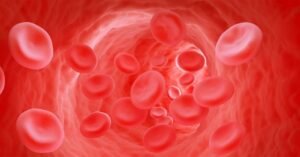
Walking improves blood flow throughout the body, especially to the digestive system. Increased blood flow makes sure the digestive system has enough nutrients and oxygen to sustain its effectiveness. Moreover, the enhanced circulation aids in the elimination of waste products from metabolism from the digestive system.
2. Activation of the Parasympathetic Nervous System
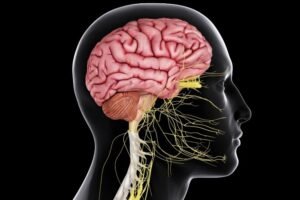
The parasympathetic nerve system, also known as the “rest and digest” system, is aided in activation by walking. Through the enhancement of intestinal motility and the reduction of stress hormone release, which can impede digestion, this activation aids digestive processes and encourages a state of relaxation.
3. Stimulation of Peristalsis
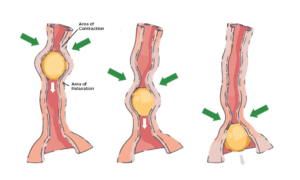
The wave-like contraction of the gastrointestinal tract’s muscles, known as peristalsis, is what propels food along. By promoting regular bowel movements and preventing constipation, walking aids in the stimulation of peristalsis. Walking’s soft, repetitive motion offers a natural means of assisting this process.

To optimize the advantages of walking for digestive well-being, take into account the following advice:
1. Aim for Consistency
- For main benefits of walking, aim to walk for at least 30 minutes a day, five days a week.
- To enjoy walking’s long-term advantages, consistency is essential.
- You don’t have to walk all at once; breaking it into shorter sessions throughout the day can also be effective.
2. Choose the Right Time
- Walking after meals can be particularly beneficial for digestion.
- A light walk can help stimulate digestive processes and reduce bloating or discomfort.
- However, avoid vigorous walking immediately after eating; a gentle pace is recommended.
3. Maintain Good Posture
- Pay attention to your posture while walking.
- Keep your shoulders back, stand erect, and contract your core.
- Good posture can enhance the effectiveness of your walk and support better digestion by allowing your digestive organs to function optimally.
4. Stay Hydrated
- Adequate hydration is crucial for maintaining intestinal health.
- Drink plenty of water before, during, and after your walk to support digestion and overall well-being.
- Staying hydrated helps keep your digestive system functioning smoothly and prevents dehydration-related issues.
5. Mix It Up
- To keep your walking routine interesting and engaging, vary your routes and try walking in different environments.
- Exploring parks, trails, or urban areas can provide mental stimulation and make your daily walks more enjoyable.

Walking is a fantastic approach to support digestive health, but it’s even better when combined with other healthful practices to improve general wellbeing:
- Balanced Diet: To enhance the benefits of walking, maintain a diet high in fruits, vegetables, whole grains, and fiber. A balanced diet facilitates digestion and enhances the main benefits of walking and of frequent exercise best for digestion.
- Enough Sleep: Make sure you receive enough sleep every night because insufficient sleep can have a detrimental effect on digestive health. Maintaining a regular sleep schedule helps with digestion and promotes the body’s natural rhythms.
- Stress management: Think about deep breathing exercises best for digestion, yoga, meditation, and other methods in addition to walking. Stress reduction can further enhance general health and digestive performance.
- Regular Check-ups: Seeing a doctor on a regular basis will help keep an eye on and treat any digestive health issues. See your doctor about your walking regimen and any digestive problems for individualized guidance and assistance.