PCOS Vegan and Vegetarian Diet Plan : Foods to Eat for Hormone Balance and Better Health
One of the most prevalent hormonal conditions affecting women of reproductive age is polycystic ovarian syndrome, or PCOS. Menstrual cycles, fertility, weight, skin health, and mental wellness are all impacted. Diet is still one of the best and most natural approaches to manage symptoms, even while medication management is important.
The topic of whether a vegan or vegetarian diet can assist treat PCOS is raised by the growing number of people adopting plant-based lifestyles. Yes, provided it’s done properly. Naturally high in fiber, antioxidants, and anti-inflammatory substances, plant-based diets can help regulate hormones and enhance insulin sensitivity.
We’ll look at what foods to include, how to organize your meals for best results, and how following a PCOS vegan or PCOS vegetarian diet plan can help improve hormone health. To assist you in beginning your path to improved heath, we will also offer assistance in the form of a PCOS food list and a 7-day PCOS diet plan .
Why Diet Is Important for PCOS Management?
Because blood sugar and insulin levels are frequently disturbed in PCOS, diet is important in controlling the illness. In addition to lowering inflammation, a balanced diet can help control weight, enhance hormonal balance, and alleviate symptoms like acne and irregular menstruation. Eating foods with a low glycemic index, consuming more fiber and lean protein, and reducing processed sweets are important tactics.
The Relationship Between Hormones and Food
Hormones like ghrelin and leptin control your hunger and calorie intake, while your diet supplies the building blocks for hormone synthesis. This relationship between food and hormones is direct and reciprocal. While processed foods, sugar, and bad fats can cause inflammation and disturbances like insulin resistance, which can impact everything from metabolism to mood, a diet high in whole foods, fiber, and healthy fats supports hormonal balance.
Hormonal imbalance, inflammation, and insulin resistance are all directly related to PCOS. Diets rich in plant-based nutrients help stabilize blood sugar levels, lower inflammation, and support hormonal balance, while foods heavy in saturated fats and refined sugars can exacerbate these disorders.
In addition to being lower in calories and cholesterol, plant-based diets help women with PCOS control their weight over the long term. That is why many nutrition experts suggest introducing meals from a PCOS vegan diet plan or a PCOS vegetarian diet plan into your daily routine.
The Benefits of a Plant-Based Diet for PCOS
By treating the underlying problems of insulin resistance and chronic inflammation, a plant-based diet can help control the symptoms of PCOS. A healthy weight is supported and hormone balance is enhanced by concentrating on full, unprocessed plant meals.
- Increases sensitivity to insulin
- Lowers levels of the male hormone androgen.
- Reduces the body’s inflammation
- Helps maintain a healthy weight.
- Encourages a healthy gut flora
These advantages compound over time, resulting in more predictable cycles and enhanced general well-being, when paired with a regimented schedule such as a 7-day PCOS diet plan
PCOS Vegan Diet Plan: Using Plants to Help Balance Hormones
In order to help control insulin resistance and inflammation, a plant-based diet for PCOS emphasizes entire, plant-based foods such fruits, vegetables, legumes, and whole grains. Low-glycemic foods, healthy fats, and enough protein to maintain hormonal balance are the main components of a well-balanced vegan PCOS diet plan. B vitamins, vitamin D, iron, zinc, and magnesium are essential elements that can be obtained via foods including nuts, seeds, leafy greens, and fortified foods.
What Is a PCOS Vegan Diet Plan?
In order to manage the symptoms of Polycystic Ovary Syndrome (PCOS), a PCOS vegan diet plan focuses on plant-based meals high in fiber, antioxidants, and healthy fats while avoiding processed foods, refined sugars, and bad fats.
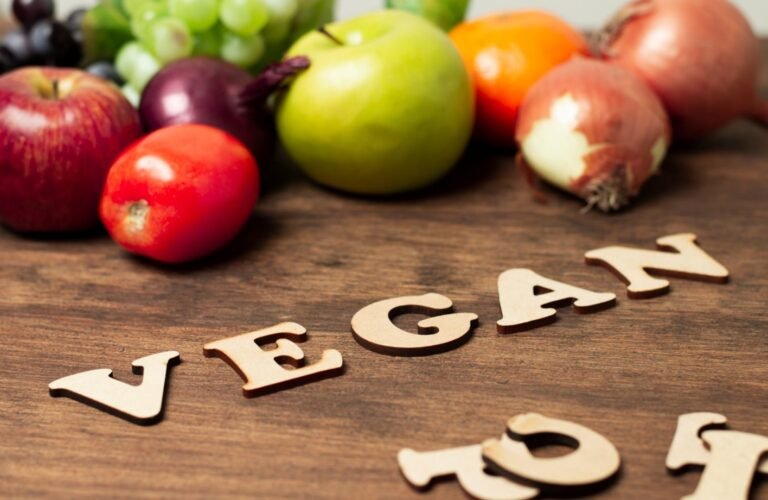
Meat, dairy, eggs, and fish are all strictly prohibited in a PCOS vegan diet plan. Whole, plant-based foods like fruits, vegetables, legumes, nuts, seeds, and whole grains are the main focus instead.
By lowering inflammation, enhancing digestion, and regulating blood sugar levels, vegan diets can benefit women with PCOS. To guarantee enough consumption of protein, vitamin B12, iron, and omega-3 fatty acids, however, meticulous planning is required.
Important Foods for a PCOS Vegan Diet Plan
Cruciferous vegetables, leafy greens, whole grains (such as quinoa and oats), legumes (such as chickpeas and lentils), soy products (such as tempeh and tofu), nuts, seeds (such as flax and chia), avocados, and berries are important foods.
- Legumes and Beans: Black beans, chickpeas, and lentils offer fiber and protein to help maintain stable blood sugar levels.
- Whole Grains: Quinoa, brown rice, and oats help you feel fuller for longer and avoid insulin spikes.
- Nuts and Seeds: Omega-3 fatty acids, which lower inflammation, are found in walnuts, flaxseeds, and chia seeds.
- Fruits and Vegetables: Pay particular attention to vibrant food such as berries, bell peppers, kale, and spinach.
- Plant-Based Milks: To substitute dairy, use unsweetened almond, soy, or oat milk.
Sample PCOS Vegan Diet Plan
A example vegan diet plan for PCOS emphasizes whole grains such as millets, legumes, and non-starchy vegetables, while avoiding processed carbs and high-glycemic meals. A typical day would include a breakfast of millet porridge or moong dal chilla, a lunch of millet roti with dal and a vegetable stir-fry, and a light dinner of vegetable soup or quinoa pulao with tofu.
- Breakfast: A smoothie with spinach, banana, almond milk, and flaxseeds
- Lunch: Quinoa salad with avocado, chickpeas, and olive oil dressing.
- Dinner: Lentil soup served with brown rice and steaming vegetables.
These meals are not only nutrient-dense, but also follow the best diet for PCOS weight loss, encouraging satiety and consistent energy throughout the day.
PCOS Vegetarian Diet Plan : Sustainable and Well-Balanced Diet
Whole foods, high fiber, lean protein, and healthy fats are the mainstays of a sustainable, balanced vegetarian diet plan for PCOS, while sugar and refined carbohydrates are minimized. Examples of meals are quinoa khichdi with veggies for dinner, a multigrain roti with lauki sabzi and dal for lunch, and moong dal chilla with chutney for breakfast. Staying hydrated, controlling portion sizes, and implementing morning routines like drinking methi or jeera water are all crucial habits.
A PCOS Vegetarian Diet Plan: What Is It?
Whole, unprocessed foods such as leafy greens, non-starchy vegetables, high-fiber fruits, whole grains, and plant-based proteins are the mainstay of a PCOS vegetarian diet.
A PCOS vegetarian diet plan emphasizes plant-based nutrition while permitting some animal-based foods, including as dairy and eggs, in contrast to vegan diets. For ladies who want more freedom or are switching from a non-vegetarian diet, it’s a great choice.
This strategy preserves the anti-inflammatory and hormone-balancing advantages of a plant-forward diet while guaranteeing improved consumption of vital nutrients including calcium, protein, and vitamin B12.
Key Elements of a PCOS Vegetarian Diet Plan
A PCOS vegetarian diet should focus on high-fiber, low-glycemic index foods such as whole grains, lentils, beans, and non-starchy vegetables to help regulate blood sugar and insulin resistance.
- High-Fiber Vegetables: Sweet potatoes, spinach, broccoli, and zucchini support intestinal health and hormone balance.
- Low-GI Carbohydrates: Barley, oats, and millets can provide long-lasting energy and avoid insulin spikes.
- Healthy Fats: Essential fatty acids for hormone production are found in avocado, seeds, and olive oil.
- Protein Sources: Lean protein for metabolism and muscle repair can be found in paneer, tofu, lentils, and eggs.
- Probiotic Foods: Fermented veggies, kefir, and yogurt all help to promote gut flora and aid with digestion.
Sample PCOS Vegetarian Diet Plan
In order to assist control blood sugar and inflammation, an example vegetarian diet plan for PCOS emphasizes nutritious grains, lean protein, healthy fats, and high-fiber veggies. A normal day would consist of dal and vegetable soup for dinner, brown rice pulao with sprouts and curd for lunch, and ragi porridge with almonds for breakfast.
- Morning meal: Whole-grain bread and spinach in a vegetable omelet
- Lunch: Brown rice, tofu curry, and sautéed greens
- Dinner: Paneer tikka, salad, and lentil soup
This balanced plan is simply customizable and may be incorporated into your 7-day PCOS diet plan to create a planned, simple routine.
Foods to Eat and Avoid on the PCOS Food List
Lean protein sources like fish, chicken, and eggs, as well as plant-based options like beans and tofu; high-fiber foods like fruits, vegetables, and whole grains; and healthy fats from nuts, seeds, and avocados. Avoid: Since sugary drinks, white bread, pastries, and highly processed snacks can exacerbate insulin resistance, limit or eliminate them.
For those who want to take control of their diet, a PCOS food list is a priceless tool. It helps you prepare meals more effectively, purchase more wisely, and maintain consistency with your diet objectives.
Foods to Eat for PCOS
To assist control blood sugar and inflammation, PCOS-friendly diets include low-glycemic index carbohydrates, lean proteins, healthy fats, and high-fiber alternatives.
- Whole grains, such as millets, brown rice, and quinoa
- The cruciferous vegetables and leafy greens
- Low-glycemic-index fruits, such as pears, apples, and berries
- Legumes, seeds, and nuts
- Lean protein sources (vegetarian eggs, lentils, and tofu)
- Good fats (olive oil, flaxseed, and avocado)
Foods to Avoid on the PCOS Food List
Foods heavy in processed components, sugar, bad fats, and refined carbs should be avoided by those with PCOS. This includes processed meats, fried foods, too much red meat, and sugary drinks and desserts.
- Refined carbs (pastries, spaghetti, and white bread)
- Fast food and processed foods
- Sugary desserts and beverages
- Fried foods and high-fat dairy products
- Processed and red meats
You can control insulin resistance and sustain steady energy levels by using this PCOS food list in conjunction with a customized PCOS vegan or PCOS vegetarian diet plan .
The Best Diet for PCOS Weight Loss: Integrating Simplicity and Science
The greatest diet for weight loss for those with PCOS is one that emphasizes complete, unprocessed foods to lower inflammation and stabilize insulin levels. A straightforward, scientifically supported strategy stresses a balanced consumption of lean protein, high fiber, and healthy fats while restricting refined carbohydrates and processed sugar, even if there isn’t a single, universally applicable diet. Even a small 5% weight decrease can make a big difference in PCOS symptoms.
How Eating Plant-Based Foods Helps You Lose Weight
The main ways that eating a plant-based diet helps people lose weight are by reducing the energy density of the diet (fewer calories per gram of food) and by boosting satiety (feeling full) due to the high fiber content. These diets can boost post-meal calorie burning and are inherently lower in calories and fat.
Vegetarian and vegan diets are both naturally lower in calories and saturated fats, which makes them perfect for those with PCOS who struggle with weight. Because of its high fiber content, it helps with digestion and prolongs feelings of fullness, which lessens cravings.
Focusing on natural, unprocessed foods also helps you balance blood sugar and minimize inflammation, two important aspects of the best diet for PCOS weight loss.
Advice for Long-Term Weight Control
A balanced diet consisting of fruits, vegetables, healthy grains, and lean protein, along with portion control and mindful eating, are important tactics.
- Avoid excessive calorie restriction: instead, prioritize feeding over deprivation..
- Eat mindfully: chew gently and pay attention to hunger cues.
- Prioritize protein: such as beans, tofu, and eggs, for muscle support.
- Stay hydrated: by drinking at least 2 liters of water every day.
- Exercise frequently: mix moderate physical activity, such as yoga or brisk walking, with your diet.
Typical Errors in Vegetarian or Vegan PCOS Diets to Avoid
Consuming too many processed vegan foods and refined carbohydrates is a common mistake made when following a vegan or vegetarian PCOS diet. This can exacerbate symptoms by increasing inflammation. Inadequate intake of protein, essential nutrients like calcium and B12, or calories in general are other common mistakes.
1. Avoiding Sources of Protein
A protein deficiency, which can have serious consequences for your health, might result from avoiding protein sources. Protein is essential for the production of hormones, enzymes, immune system support, and tissue growth and repair.
On plant-based diets, many women find it difficult to get enough protein. Incorporate quinoa, soy, lentils, beans, and tofu throughout each meal.
2. Consuming Too Many High-Glycemic Fruits
Blood sugar surges can result from consuming too many high-glycemic fruits, particularly if they are dry, overripe, or consumed in significant amounts. Even though these fruits are high in fiber and vitamins, consuming too much of them can alter blood sugar levels and, in certain cases, result in additional negative effects including discolored skin.
Although fruits are generally healthful, some (such as mangoes and bananas) cause insulin spikes. These are on the PCOS food list to avoid. Choose low-GI fruits like berries and apples.
3. Ignoring Supplements
For the average healthy person, ignoring supplements makes sense because vital vitamins and minerals may be obtained from a balanced diet that includes fruits and vegetables. However, it is important to see a doctor before ceasing supplements, particularly if you are using high-dose or multiple supplements, have a pre-existing medical condition, or have a specific nutritional deficiency. This is because abruptly stopping supplements can result in a temporary imbalance.
In particular, vegans should use supplements or foods enriched with omega-3 fatty acids, iron, and vitamin B12 to make sure they are getting enough of these nutrients.
In conclusion
You can change the way you manage PCOS naturally by selecting a PCOS vegetarian diet plan or PCOS vegan diet plan . In addition to balancing hormones, eating nutritious, anti-inflammatory foods will help you lose weight sustainably and increase your fertility.
Use a 7-day PCOS diet plan and a PCOS food list as your own tools to maintain consistency and organization. Keep in mind that the best diet for PCOS weight loss is about balance, attention, and nourishment rather than rigid regulations.
One meal at a time, you will gradually reclaim control over your health with the support of these healthy practices.
FAQs
Q. Can PCOS be treated with a vegan diet?
Inflammation can be decreased and hormone balance can be improved with a PCOS vegan diet high in fiber and antioxidants.
Q. When following a vegetarian diet for PCOS, what foods should I eat?
A PCOS vegetarian diet plan offers veggies, whole grains, legumes, and mild dairy as part of your diet.
Q. Which diet is best for weight loss with PCOS?
The best diet for PCOS weight loss is thought to be a well-balanced plant-based diet that includes lean proteins, fiber, and healthy fats.