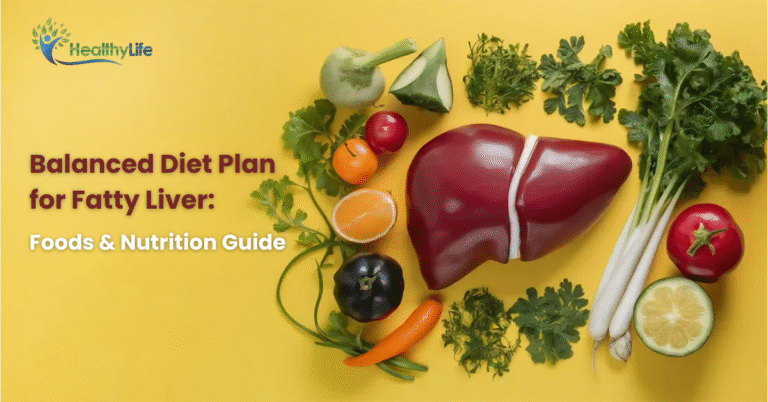
Understanding Fatty Liver and the Role of a Balanced Diet
When it comes to fatty liver, one of the most effective tools for healing lies right on your plate. A balanced diet isn’t about depriving yourself—it’s about eating the right foods that nourish and protect your liver health. With nonalcoholic fatty liver disease (NAFLD) on the rise due to poor lifestyle habits and unhealthy food choices, building a sustainable meal plan has never been more important.
By understanding what your liver truly needs, you can create a daily eating pattern that reduces fat buildup, supports detoxification, and enhances overall well-being. Let’s explore how to craft the perfect balanced diet plan for a healthy liver.
What Is Fatty Liver Disease?
Fatty liver disease develops when there’s excessive fat accumulation in the liver cells, making it harder for the organ to function properly. Normally, a small amount of fat is harmless, but when the liver stores more than 5%–10% of its weight as fat, it starts to struggle.
This condition may progress silently over time, often without noticeable symptoms in the early stages. However, if left unchecked, it can evolve into inflammation, fibrosis, and even cirrhosis.
NAFLD and NASH: Understanding the Types
There are two major forms of fatty liver disease:
Nonalcoholic Fatty Liver Disease (NAFLD) – This occurs in people who consume little or no alcohol. It’s commonly associated with obesity, insulin resistance, and metabolic syndrome.
Nonalcoholic Steatohepatitis (NASH) – A more advanced and severe stage of NAFLD, where inflammation and liver cell damage occur. Over time, this can lead to fibrosis or cirrhosis.
Both conditions are influenced by diet and lifestyle. The good news is that early intervention with a balanced diet can reverse much of the damage caused by these conditions.
Causes and Risk Factors of Fatty Liver
A range of factors contribute to NAFLD, such as poor diet, high sugar consumption, sedentary lifestyle, obesity, and diabetes. Genetics, high cholesterol, and certain medications also increase the risk.
However, the primary culprit often lies in excessive calorie intake, particularly from refined carbohydrates and unhealthy fats. Addressing these through dietary changes is key to reversing fatty liver.
Why a Balanced Diet Matters for Liver Health
Your liver is like your body’s main processing plant—it filters toxins, regulates metabolism, and manages fat distribution. When you feed it poorly, it can’t do its job effectively. A balanced diet ensures your liver gets the nutrients it needs to regenerate and perform its essential functions.
The Liver’s Role in Metabolism
The liver plays a central role in metabolizing carbohydrates, proteins, and fats. It converts excess glucose into glycogen and stores it for energy. However, when your diet is overloaded with refined sugars and unhealthy fats, the liver converts these into triglycerides, leading to fat buildup.
How Diet Affects Fat Accumulation in the Liver
Every meal you eat either heals or harms your liver. Diets rich in refined carbs, sugary drinks, and processed foods lead to insulin resistance, forcing the liver to store more fat. In contrast, foods high in antioxidants, fiber, and healthy fats help reduce inflammation and promote fat metabolism. Simply put—what you eat determines how well your liver functions.
Key Nutrients for a Fatty Liver Diet Plan
Creating a fatty liver diet starts with understanding the nutrients that help repair liver cells and reduce fat accumulation.
Proteins: Building Blocks for Liver Repair
Protein is crucial for repairing damaged liver cells and maintaining lean muscle mass. It also helps in managing hunger, which aids in weight control—a critical factor for those with NAFLD.
Good protein sources include lean meats, fish, eggs, tofu, beans, and lentils. Choose grilled, boiled, or baked preparations over fried options. For vegetarians, combining legumes and grains ensures a complete amino acid profile.
Consistent protein intake helps prevent muscle wasting, supports enzyme production, and enhances metabolic efficiency—all vital for liver health.
Healthy Fats: Supporting Liver Function
Not all fats are bad. In fact, the right kinds—like omega-3 fatty acids—are anti-inflammatory and protect liver cells. These are found in fish like salmon, chia seeds, flaxseeds, walnuts, and avocados.
Healthy fats help regulate cholesterol, reduce triglyceride levels, and prevent further fat accumulation in the liver. Avoid trans fats and minimize saturated fats, commonly found in fried foods, pastries, and processed snacks.
Think of healthy fats as the oil that keeps your body’s engine running smoothly, while bad fats clog the system and strain the liver.
Complex Carbohydrates: Sustained Energy Without Overload
Carbohydrates are your body’s primary energy source, but not all carbs are created equal. Complex carbohydrates—like oats, quinoa, brown rice, and whole wheat—digest slowly and maintain steady blood sugar levels.
In contrast, refined carbs (white bread, sweets, pastries) spike blood sugar and promote fat storage in the liver. Choosing complex carbs over refined ones helps prevent insulin resistance, a major driver of NAFLD.
Fiber: Detoxifying and Supporting Gut Health
Fiber acts as a natural detoxifier by binding toxins and cholesterol and eliminating them through digestion. A fiber-rich diet improves bowel regularity and supports gut microbiota, which directly influences liver health.
Vegetables like spinach, broccoli, carrots, and fruits such as apples and berries are excellent sources. Incorporating whole grains and legumes adds additional fiber to keep digestion efficient and the liver detoxified.
Vitamins and Minerals: Essential for Detox and Healing
Micronutrients like vitamins E, D, and C, and minerals such as selenium and zinc, are vital for protecting liver cells from oxidative stress.
Vitamin E acts as an antioxidant that reduces inflammation. Vitamin D regulates fat metabolism, while vitamin C boosts immunity and supports collagen repair. Nuts, seeds, leafy greens, and citrus fruits are excellent additions to a balanced diet for fatty liver recovery.
Foods to Include in a Balanced Fatty Liver Diet
The right food choices can transform your liver’s health. Here are the best foods to include daily:
Fruits and Vegetables for Liver Detox
Fruits and vegetables are packed with antioxidants and phytochemicals that neutralize harmful free radicals. Leafy greens like spinach, kale, and beetroot help in cleansing toxins from the bloodstream.
Berries (blueberries, strawberries) contain anthocyanins, which protect liver cells, while citrus fruits like oranges and lemons stimulate bile production for better fat digestion.
Lean Proteins for Repair and Regeneration
Opt for chicken, turkey, fish, tofu, and legumes. These sources provide essential amino acids without burdening the liver with excess fat.
For vegetarians, lentils, beans, and soy-based foods offer excellent alternatives. Including a serving of protein with every meal ensures constant support for tissue repair.
Whole Grains for Sustained Energy
Whole grains provide slow-digesting carbohydrates and keep blood sugar levels steady. Oats, brown rice, and barley help reduce cholesterol and prevent fat storage in the liver.
They also provide important B vitamins that assist in energy metabolism, essential for liver detoxification.
Healthy Oils and Fats
Extra virgin olive oil, flaxseed oil, and avocados are excellent sources of unsaturated fats. They help improve insulin sensitivity, reduce inflammation, and keep your heart and liver functioning optimally.
Cooking with olive oil instead of butter or refined oils can make a significant difference in liver fat reduction.
Foods to Avoid with Fatty Liver Disease
Knowing what to eliminate is just as important as knowing what to eat.
Processed Foods and Sugary Drinks
Processed foods are loaded with artificial additives, sugar, and trans fats that overload the liver’s detox pathways. Sodas, packaged snacks, and bakery items should be strictly limited.
Sugar-sweetened beverages, in particular, are among the worst offenders—they directly contribute to liver fat accumulation and insulin resistance.
Red Meat and Saturated Fats
Red meat—such as beef, pork, and lamb—contains a high amount of saturated fats, which can significantly worsen fatty liver by promoting inflammation and fat accumulation in liver cells. These fats not only raise cholesterol levels but also contribute to insulin resistance, one of the leading causes of NAFLD.
When your liver becomes overloaded with saturated fats, it struggles to metabolize and break them down efficiently, resulting in triglyceride buildup.
Alcohol and High-Fructose Foods
Alcohol is one of the most harmful substances for individuals with fatty liver disease, as it directly damages liver cells and increases fat accumulation. Even small or moderate amounts can accelerate the progression from NAFLD to NASH and, eventually, cirrhosis. Alcohol disrupts fat metabolism, promotes oxidative stress, and weakens the liver’s ability to detoxify harmful substances.
Designing Your Balanced Fatty Liver Meal Plan
A personalized diet plan for fatty liver should include whole foods, balanced portions, and proper meal timing.
Portion Control and Meal Timing
Overeating, even healthy food, can overload your liver. Eat smaller, more frequent meals throughout the day to maintain steady energy and metabolism.
Breakfast should be protein-rich, lunch should include balanced carbs and vegetables, and dinner should be light yet nourishing. Avoid eating late at night as it disrupts fat metabolism.
Sample Fatty Liver Meal Plan (Without Table)
- Morning: Start your day with warm water and lemon, followed by a bowl of oatmeal with berries and nuts.
- Mid-morning snack: A piece of fruit or a handful of almonds.
- Lunch: Grilled chicken or tofu salad with olive oil dressing and a side of brown rice.
- Evening snack: Green tea with a small portion of roasted chickpeas.
- Dinner: Steamed fish or paneer with sautéed vegetables.
- Before bed: Chamomile tea or warm turmeric milk.
This plan ensures nutrient balance while supporting fat metabolism and liver repair.
Lifestyle Tips to Enhance Liver Health
A balanced diet works best when paired with healthy lifestyle habits.
Exercise and Physical Activity
When it comes to improving fatty liver, diet alone isn’t enough—exercise plays a key role in burning excess fat, enhancing insulin sensitivity, and improving overall liver health. Regular physical activity helps your body use stored fat for energy, reducing fat deposits not only in the liver but also throughout the body.
Engaging in at least 30 minutes of moderate activity daily—such as brisk walking, cycling, swimming, or dancing—can significantly lower liver fat levels.
Staying Hydrated and Managing Stress
Hydration and stress management are two often-overlooked pillars of liver health. Drinking enough water is vital for detoxification, as it helps the liver flush out waste and toxins efficiently. Dehydration slows down metabolic processes, making it harder for the liver to process fats and sugars. Aim to drink at least 2–3 liters of water daily, depending on your activity level and climate.
Conclusion: Building Long-Term Healthy Habits
Reversing fatty liver isn’t about a short-term diet; it’s about lifelong habits. By adopting a balanced diet rich in whole foods, lean proteins, and healthy fats, and eliminating processed foods, you can regenerate liver cells and restore health.
Small daily changes—like replacing sugary drinks with water or cooking with olive oil—can have profound long-term benefits. The key is consistency, patience, and self-care.
FAQs
1. Can fatty liver be completely cured?
Yes, in early stages, fatty liver can be reversed through a balanced diet, exercise, and maintaining a healthy weight.
2. Is coffee good for liver health?
Yes, studies suggest coffee may reduce inflammation and prevent fibrosis in the liver.
3. Should I avoid all fats if I have fatty liver?
No, healthy fats like omega-3s and olive oil are beneficial. Avoid trans and saturated fats instead.