
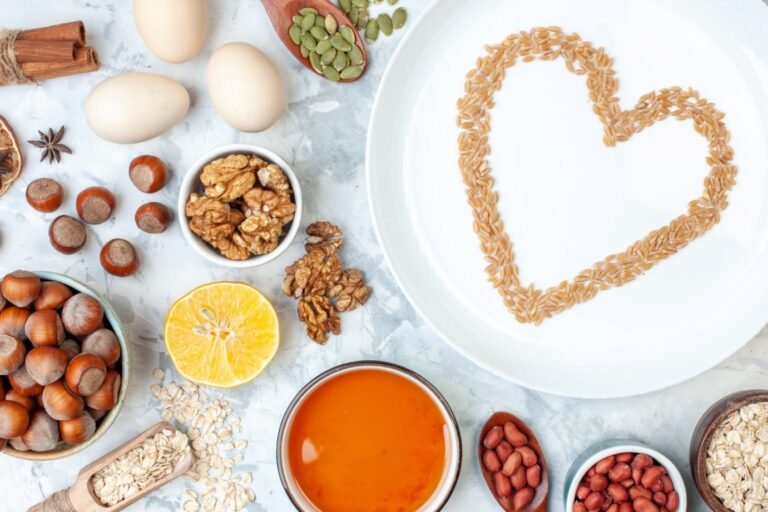
Best Diet for PCOS Weight Loss: 7-Day PCOS Diet Plan PDF and Food List Guide
Millions of women worldwide suffer from the complicated hormonal disorder known as polycystic ovarian syndrome, or PCOS. It can lead to mood fluctuations, exhaustion, acne, irregular periods, and trouble reducing weight. Although there isn’t a single treatment for PCOS, dietary and lifestyle changes are very important for controlling symptoms and enhancing general health.
Putting an emphasis on anti-inflammatory foods is one of the most effective dietary strategies for women with PCOS. Three major causes of PCOS, insulin resistance, hormonal imbalance, and ovarian dysfunction, can all be made worse by chronic inflammation.
You can promote better hormone balance, increase metabolism, and even help with long-term weight management by making dietary choices that reduce inflammation. In addition to sharing a downloadable 7-day PCOS diet plan PDF and explaining the PCOS food list PDF, which lists things to consume and avoid, this blog will walk you through the best diet for PCOS weight loss.
The Significance of Inflammation in PCOS
Excess ovarian androgen production is directly stimulated by inflammation. The degree of hyperandrogenism may influence the development of increased abdominal obesity, which adds to the inflammatory load in PCOS.
The Connection Between Inflammation and PCOS
Chronic low-grade inflammation is closely connected with PCOS and has a role in the condition’s metabolic and reproductive problems. Increased levels of inflammatory markers such as tumor necrosis factor-alpha (TNF-α), interleukin-6 (IL-6), and C-reactive protein (CRP) are indicative of this inflammation. A vicious cycle is established by this inflammatory state, which makes insulin resistance and androgen excess worse. Insulin resistance and obesity then make inflammation worse, which results in issues including infertility and elevated cardiovascular risk.
PCOS is a metabolic illness in addition to a hormonal one. Research has indicated that inflammatory indicators like C-reactive protein (CRP) are frequently elevated in women with PCOS. Reproductive hormones are disturbed and insulin sensitivity is impacted by this ongoing inflammation.
In addition to promoting general hormonal balance and alleviating symptoms like fatigue, acne, and bloating, an anti-inflammatory diet can dramatically reduce these signs.
How Dietary Decisions Affect Inflammation
Food choices have a big influence on inflammation; foods high in omega-3 fatty acids, fruits, vegetables, and whole grains assist lower inflammation, while meals high in processed foods, refined sugars, and certain fats increase it. An anti-inflammatory diet reduces consumption of processed foods, harmful fats, and meals that promote fast blood sugar rises while increasing consumption of whole foods that are high in fiber and antioxidants.
The things you eat on a daily basis either increase or decrease inflammation. Whereas full, nutrient-dense diets soothe the immune system and control blood sugar, processed, sugary, and high-fat foods cause inflammatory reactions.
That is why understanding PCOS foods to eat and PCOS foods to avoid is critical for long-term health management.
PCOS Foods to Eat: Potent Anti-Inflammatory Agents
To assist control blood sugar and inflammation, PCOS-friendly diets include low-glycemic index carbohydrates, lean proteins, healthy fats, and high-fiber alternatives. Leafy greens, berries, fatty fish, entire grains like quinoa and oats, beans, lentils, almonds, and seeds are a few examples.
1. Cruciferous or leafy green vegetables
Numerous leafy greens, including bok choy, collard greens, and kale, are also cruciferous, making them a nutrient-dense group of vegetables. They are well-known for having antioxidants, vitamins, minerals, and glucosinolates—compounds that may help lower inflammation and prevent some types of cancer. Brussels sprouts, cauliflower, broccoli, and cabbage are typical examples.
Antioxidants and phytochemicals found in spinach, kale, broccoli, and cauliflower help to detoxify the liver and minimize inflammation. Additionally, they aid in the metabolism of excess estrogen, a hormone that frequently rises in PCOS-afflicted women.
Include at least one serving of greens per day in salads, smoothies, or soups. These vegetables are essential PCOS foods to eat and should be included in any 7-day PCOS diet plan PDF.
2. Sources of Omega-3 and Fatty Fish
Omega-3s are abundant in fatty fish, such as salmon, mackerel, and sardines, as well as in nuts and seeds, such as flax, chia, and walnuts, and plant-based oils. Fortified eggs and other plant-based oils, such as flaxseed and canola oil, can also be considered non-fish alternatives.
Omega-3 fatty acids found in salmon, mackerel, and sardines are great for lowering inflammation and enhancing insulin sensitivity. Chia seeds, flaxseeds, and walnuts are excellent plant-based substitutes for vegetarians.
The best diet for PCOS weight loss must include omega-3 fats because they also help maintain menstruation regularity and balance hormones.
3. Whole Grains
All three components of a cereal plant—bran, germ, and endosperm—are present in whole grains. Whole wheat bread, oats, and brown rice are a few examples. They retain more fiber, vitamins, and minerals than refined grains, which is associated with a lower risk of heart disease and other ailments, making them healthier.
Whole grains that are high in fiber and aid in blood sugar regulation include quinoa, brown rice, oats, and millets. They absorb more slowly than refined carbohydrates, which prolongs feelings of fullness.
They lessen the possibility of insulin spikes, which can exacerbate hormonal imbalance and inflammation. According to dietitians, these grains are essential components of the PCOS food list PDF.
4. Berries and Fruits High in Antioxidants
Antioxidants, found in berries including blueberries, strawberries, raspberries, and blackberries, help prevent cell damage, lower inflammation, and promote general health. Pomegranates, sour cherries, goji berries, and regional varieties like jamun and amla are other fruits high in antioxidants. Consuming a variety of these fruits offers a spectrum of vitamins, fiber, and phytonutrients that are good for the immune system, heart health, and cognitive function.
Antioxidants like anthocyanins, which are abundant in berries like blueberries, strawberries, and raspberries, help prevent oxidative stress and inflammation.
They have a low glycemic index, which means they don’t cause blood sugar to increase. However, it is vital to remember which PCOS fruits to avoid, such as mangoes, bananas, and grapes, which are high in sugar and may cause insulin resistance.
5. Seeds and Nuts
There are many different types of nuts and seeds, including cashews, peanuts, walnuts, almonds, and flax, as well as seeds like sunflower, chia, and pumpkin seeds. Although they are classified as legumes, peanuts are included in the nut family because of their similar nutritional profiles and applications. Packed with protein, fiber, vitamins, and minerals, this varied category is a nutritious powerhouse.
Nutrients essential for hormone balance, such as magnesium, zinc, and healthy fats, are abundant in almonds, walnuts, flaxseeds, and pumpkin seeds.
Given the increased risk of cardiovascular problems for women with PCOS, they aid in lowering inflammation and enhancing heart health. Sprinkle them over salads and smoothies or include a handful per day in your 7-day PCOS diet plan PDF.
6. Herbal Teas and Green Teas
The Camellia sinensis plant is the source of green tea, which doesn’t require any other ingredients. On the other hand, dried herbs, flowers, fruits, spices, etc. are used to make herbal teas.
Catechins, which are antioxidants found in green tea, have been shown to lower androgen levels in PCOS and enhance insulin sensitivity. Herbal teas with anti-inflammatory properties include cinnamon tea and spearmint tea.
One of the simplest dietary changes in the best diet for PCOS weight loss is switching to herbal teas from sugary drinks.
PCOS Food List to Avoid — What Causes Inflammation
To control PCOS and minimize inflammation, limit refined carbohydrates (white bread, spaghetti), sugary drinks and processed meals (soda, pastries, fast food), red and processed meats (bacon, sausage), and high-fat dairy products. These foods can exacerbate inflammation and insulin resistance.
1. Refined and Processed Foods
Refined foods are a subset of processed foods that have had some of their nutritional value taken away, whereas processed foods have undergone changes from their original state. While refining frequently entails milling grains into white flour or enhancing foods with additional nutrients like sugars, salt, and artificial additives, processing might comprise straightforward actions like cutting or freezing. Ultra-processing, or higher processing levels, frequently results in foods that are higher in sugar, salt, and harmful fats and lower in nutrients.
Steer clear of processed meats, fried foods, white bread, and pastries. Trans fats and processed carbohydrates, which are abundant in these diets, cause inflammatory reactions and exacerbate insulin resistance.
These things are at the top of the PCOS food list to avoid if you are attempting to control your symptoms naturally.
2. High-Fat and Dairy Meats
Red meats like beef, lamb, and pork, processed meats like sausages and hot dogs, and full-fat dairy products like butter, cream, and cheese are all sources of saturated fat.
Dairy products can raise insulin levels and androgen production in certain women, even though they might be an excellent source of calcium. Cut back on cheese, butter, and full-fat milk if you have bloating or acne after eating them.
In a similar vein, the high saturated fat content of red and processed meats might exacerbate inflammation.
3. Sweets and Sugary Drinks
Due to their high added sugar content, sugary drinks and desserts can cause heart disease, type 2 diabetes, and weight gain. Because liquid sugars are absorbed more quickly than solid sugars, frequent drinking of sugary drinks is more harmful to cardiovascular health than eating sugary foods, even though occasional treats are usually okay. Limiting use of sugar-sweetened beverages, such as soda, sports drinks, and sweetened coffees, and concentrating on a diet high in whole foods will help lessen their detrimental effects.
Blood sugar surges from sugary drinks, juices, and sweets lead to oxidative stress and inflammation. These can be swapped out for homemade smoothies, herbal teas, or water with mint or lemon.
4. Carbohydrate Refinements
Refined carbohydrates cause rapid digestion and blood sugar increases because they are processed grains and sugars that have been deprived of their healthy fiber, vitamins, and minerals. White bread, white rice, pastries, and sweet beverages are a few examples. Overconsumption raises the risk of type 2 diabetes, heart disease, weight gain, and insulin resistance, among other health problems.
Refined flour, white rice, and pasta are depleted of fiber and nutrients, which leads to insulin resistance, a major cause of PCOS symptoms. Make the move to the whole grains and high-fiber substitutes that are mentioned in your PCOS food list PDF.
5. PCOS Fruits to Avoid
Avoid high-sugar fruits like mangoes, jackfruit, and grapes, especially when consumed by themselves, and high-glycemic foods like overripe bananas if you have PCOS. Fruits canned in heavy syrup and dried fruits are likewise higher in sugar, so limit them. Instead, to decrease the absorption of sugar, combine entire fruits with fat and protein.
Limit your intake of high-sugar fruits including watermelons, pineapples, and mangoes. These have the potential to increase inflammation and raise blood glucose levels. Instead, go for citrus fruits, apples, or pears, which are safer to eat every day and have a lower glycemic load.
The Most Effective Diet for PCOS Weight Loss
The best diet for PCOS weight loss takes a whole-foods approach, similar to the Mediterranean diet, emphasizing fruits, vegetables, lean protein, and whole grains while minimizing processed foods, refined sugars, and harmful fats. A high fiber and protein consumption, combined with healthy fats, helps control blood sugar and insulin levels, decreases inflammation, and increases satiety.
What Constitutes an Effective Anti-Inflammatory Diet for PCOS?
An anti-inflammatory diet helps to improve insulin sensitivity, hormonal balance, and weight control by lowering chronic, low-grade inflammation, which is a major feature of PCOS. This diet stabilizes blood sugar, avoids energy spikes, and supplies antioxidants to fight oxidative stress by substituting full, nutrient-dense foods including fruits, vegetables, lean proteins, and healthy fats for processed and sugary meals.
Balance, not limitation, is the key to the best diet for PCOS weight loss. Anti-inflammatory foods improve insulin sensitivity, lessen bloating, and promote metabolic health.
Combining lean proteins, fiber-rich carbohydrates, and healthy fats can help women lose weight gradually and sustainably while also improving their energy levels and digestion.
Advice on How to Design the Best Diet for PCOS Weight Loss
A low-glycemic, anti-inflammatory diet that emphasizes whole foods, lean protein, and healthy fats while minimizing processed foods, refined carbohydrates, and sugar is the best diet for PCOS weight loss.
- Add More Fiber: Fiber aids with blood sugar and appetite regulation. Every day, aim for 25–30 grams.
- Add Good Fats: Nuts, avocados, and olive oil all aid with hormone regulation.
- Mindfully Eat: Eating slowly helps with digestion and avoids overeating.
- Avoid Inflammatory Foods: Consult your PCOS food list to avoid flare-ups and hormonal imbalance.
- Remain Consistent: Dietary discipline can be maintained by adhering to an organized 7-day PCOS diet plan PDF.
An Example 7-Day PCOS Diet Plan in PDF Format with an Anti-Inflammatory Emphasis
In order to control blood sugar and inflammation, a 7-day anti-inflammatory PCOS diet plan PDF should emphasize whole foods such as low-GI fruits and vegetables, lean proteins, healthy fats, and high-fiber alternatives. Salmon or chicken with veggies, breakfasts consisting of berries or oatmeal, and protein-rich snacks like almonds, seeds, or fruit are a few examples of sample meals.
This is a condensed outline of what could be included in a 7-day PCOS diet plan PDF:
Day 1
- Breakfast: Blueberries, chia seeds, and overnight oats
- Lunch: Quinoa salad with chickpeas and an olive oil dressing
- Dinner: Grilled salmon and steamed broccoli
Day 2
- Breakfast: Almond milk, spinach, and flaxseeds in a smoothie
- Lunch: Brown rice, lentil curry, and cucumber salad
- Dinner: Stir-fried tofu with mixed vegetables.
Day 3
- Breakfast: Boiled eggs and avocado toast.
- Lunch: Millet bowl with veggies and chickpeas.
- Dinner: Paneer and Quinoa Pilaf
…and so forth.
While strictly avoiding items from the PCOS food list to avoid, each meal concentrates on meals from the PCOS foods to eat list.
In conclusion
It is impossible to overestimate the importance of nutrition in PCOS management. Adopting an anti-inflammatory strategy supports long-term hormonal balance and metabolic health in addition to symptom relief.
Women can attain long-lasting changes in their energy, weight, and reproductive health by concentrating on PCOS foods to eat, avoiding foods on the PCOS food list to avoid, and according to systematic guidelines such as the 7-day PCOS diet plan PDF.
A simple step that leads to significant lifestyle changes is to keep a PCOS food list PDF that lists your favorite dishes and ingredients for convenience. Regaining control over your health and reaping the benefits of the best diet for PCOS weight loss require consistency.
FAQs
Q. Which foods are the most effective at reducing inflammation in PCOS?
The greatest anti-inflammatory foods for PCOS management include leafy greens, berries, almonds, fatty salmon, and olive oil.
Q. When I have PCOS, what foods should I avoid?
Avoid refined carbohydrates, processed foods, sugary drinks, and high-sugar fruits that are on the PCOS food list to avoid.
Q. Can I lose weight on an anti-inflammatory diet?
Yes, following the best diet for PCOS weight loss can help you lose excess fat naturally while also boosting insulin sensitivity.